2026 AIA MONTANA DESIGN CONFERENCE
September 23-25, 2026 – Helena, MT
APRIL 12-18, 2026
ENGAGE
Engage with members, students & our communities
EDUCATE
Educate and inspire students about design, architecture and our profession
CONNECT
Connect with local members and other design professionals to celebrate and foster connection.
K-12 Initiatives
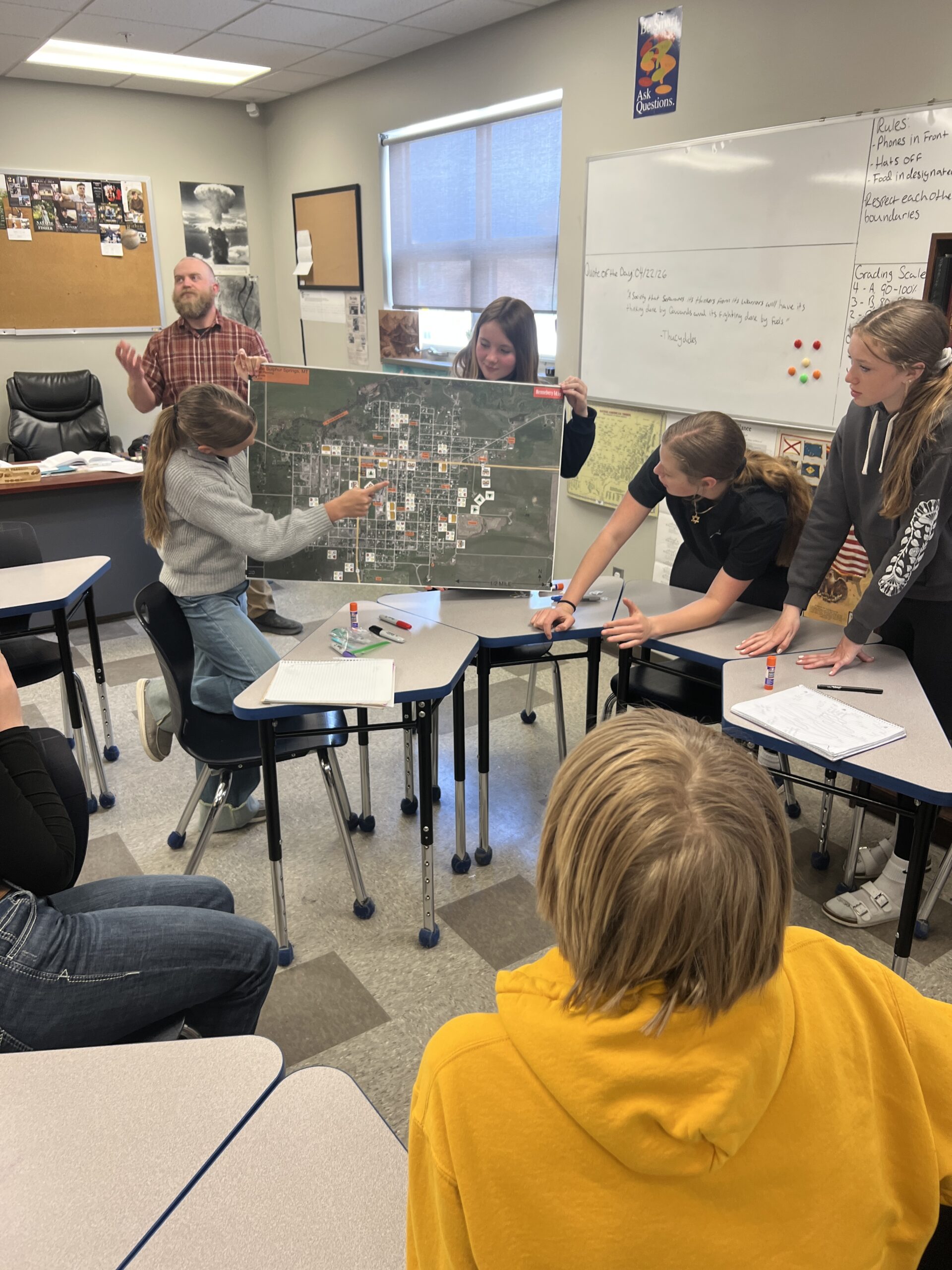
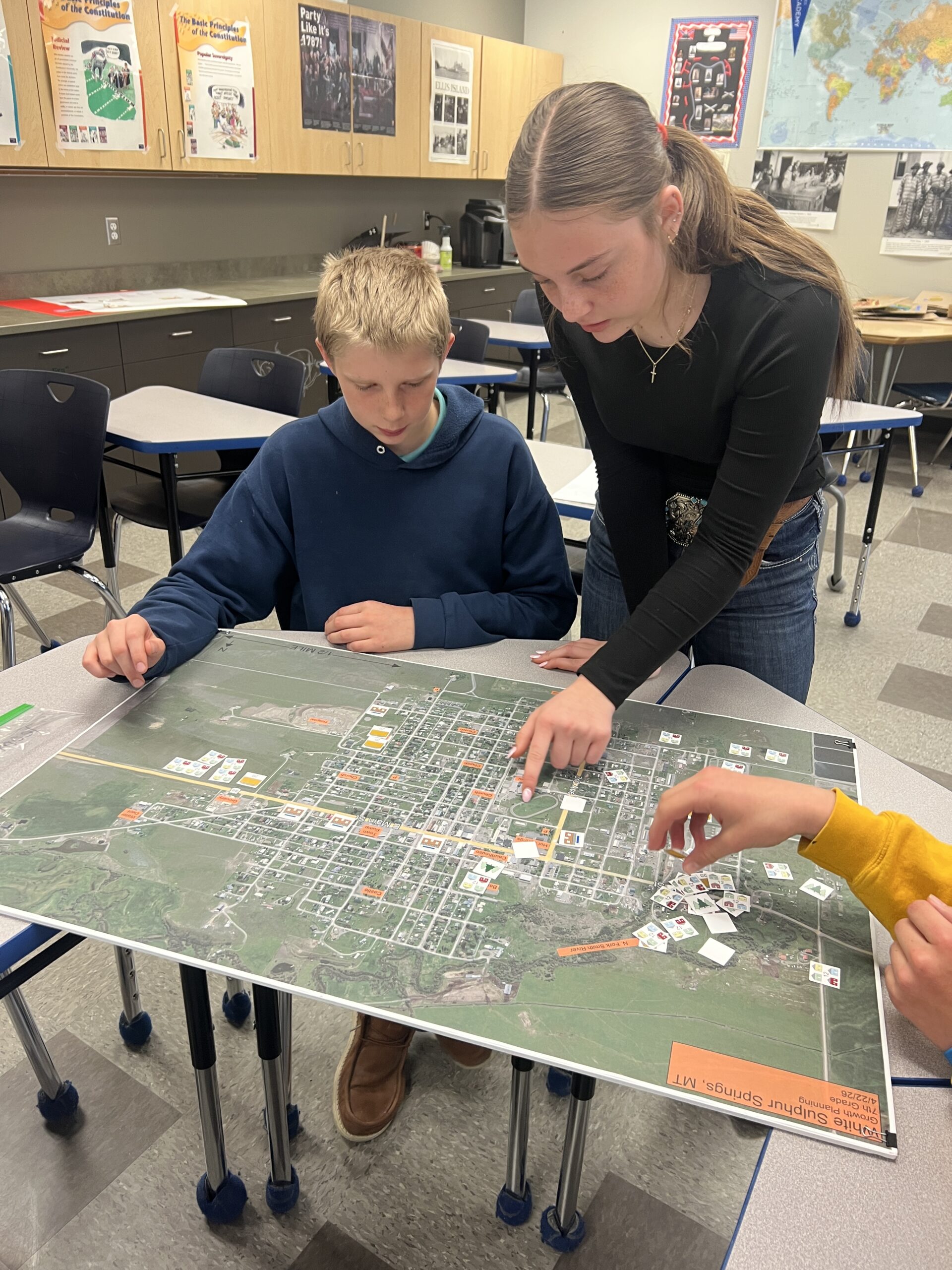
As part of Architecture Week (April 12–18, 2026), the AIA Montana Board of Directors launched a new statewide K–12 engagement initiative -for the first time ever!
In 2025, AIA Montana members identified K–12 outreach as a top priority, and this program aims to inspire and support the next generation of architects across Montana.

ARCH WEEK 2026
REPORTS
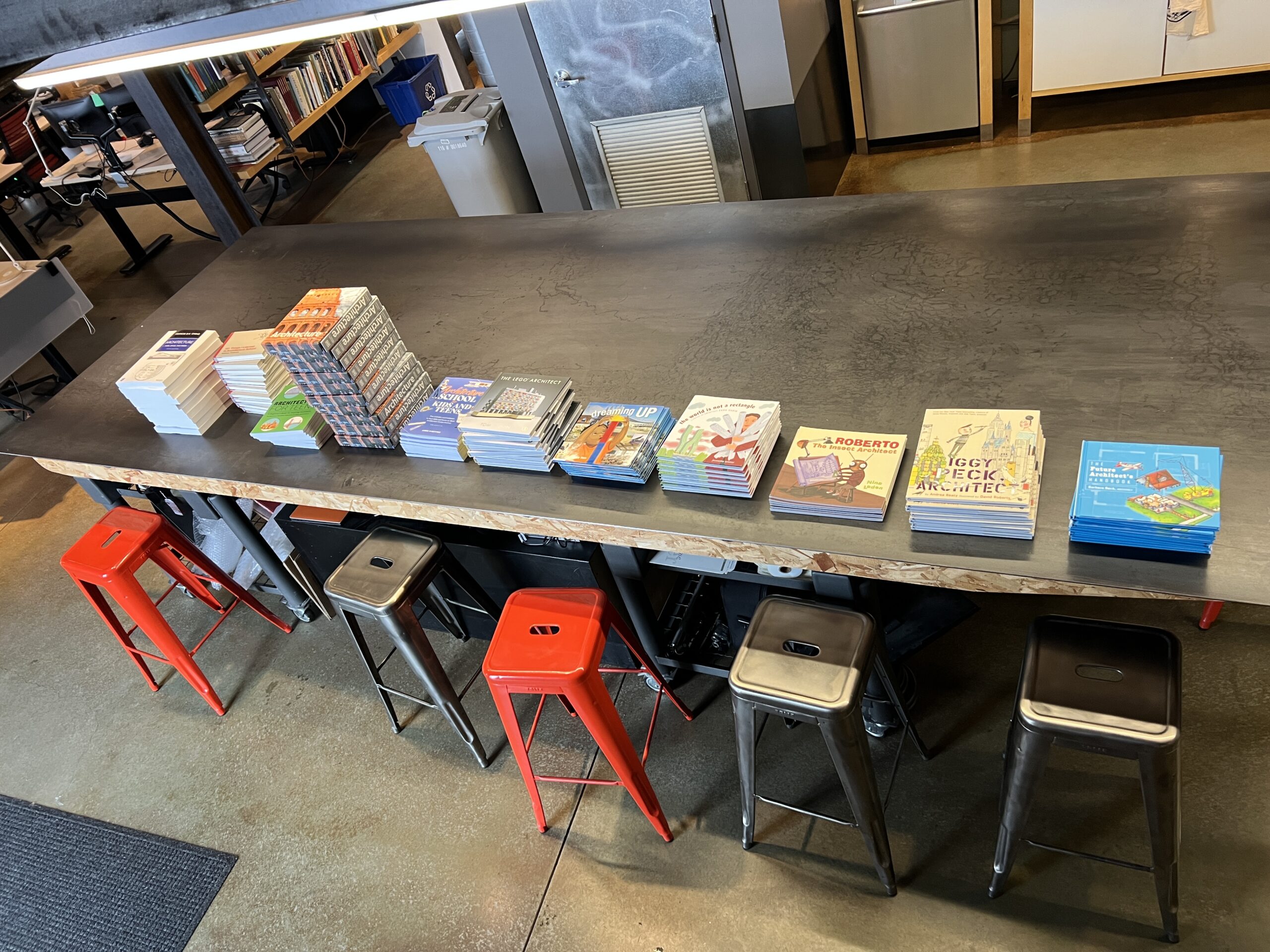
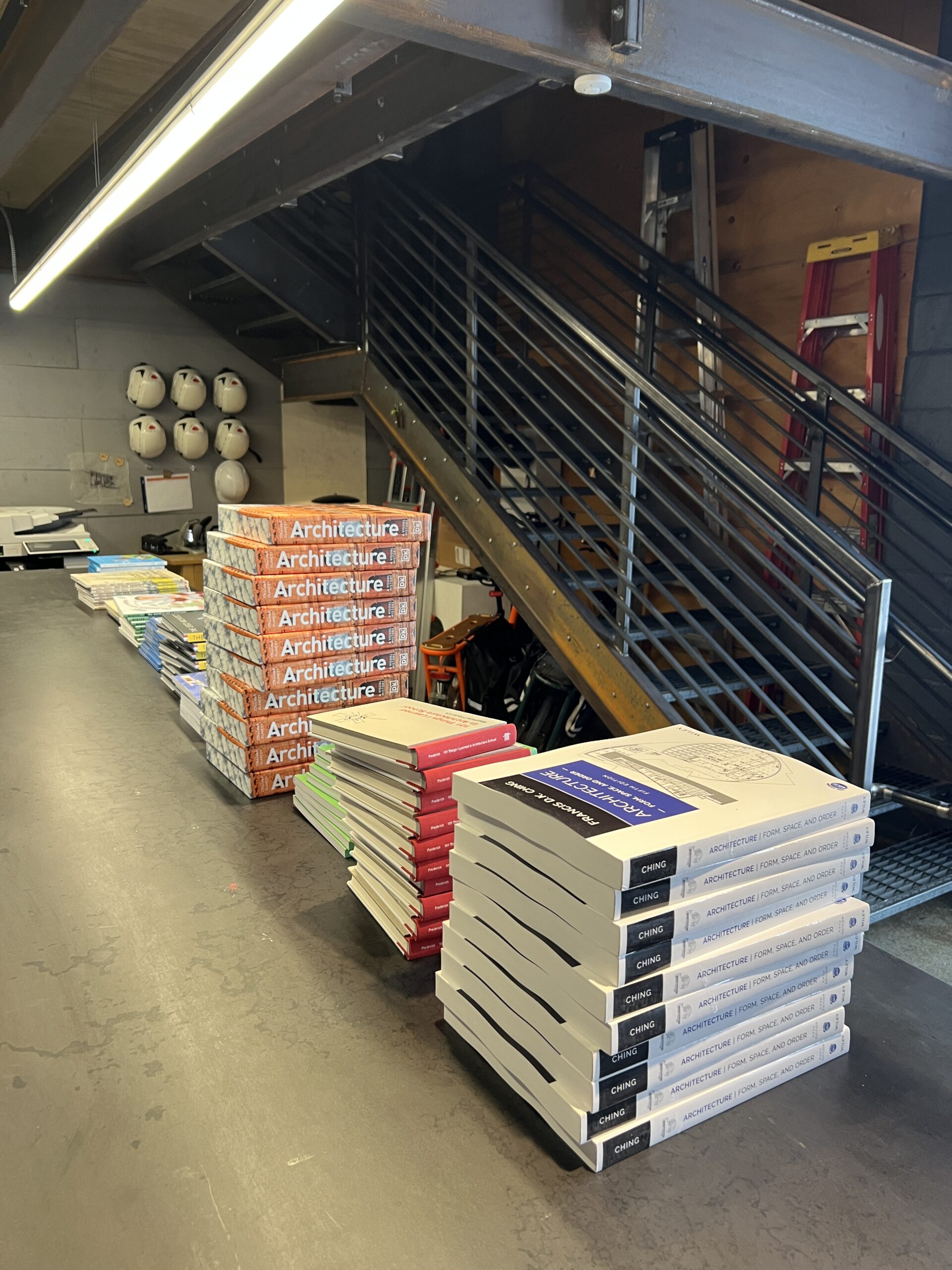
Members from around the state volunteered to deliver book donations to school libraries and visit with students. Over 250 books were donated.
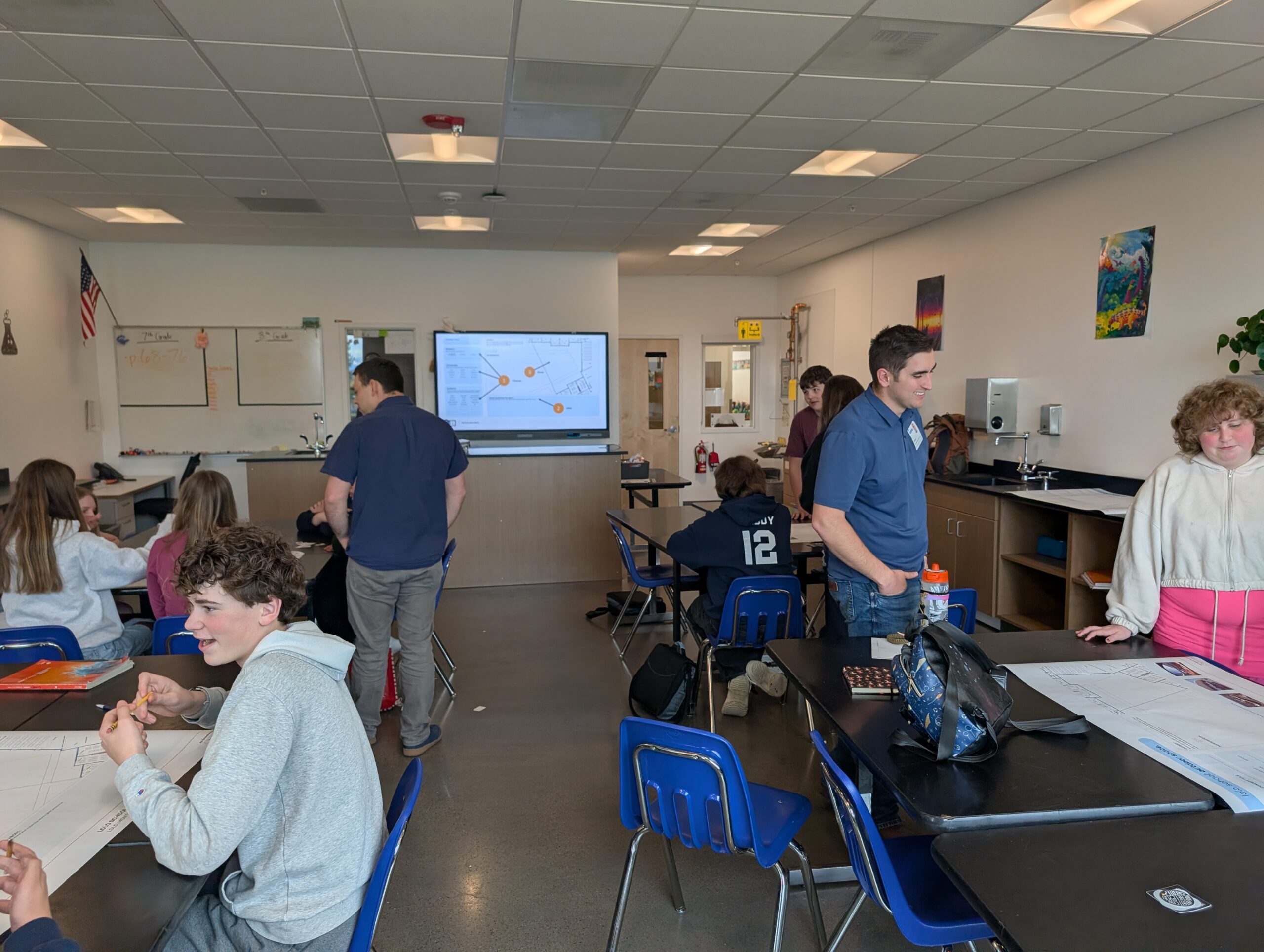
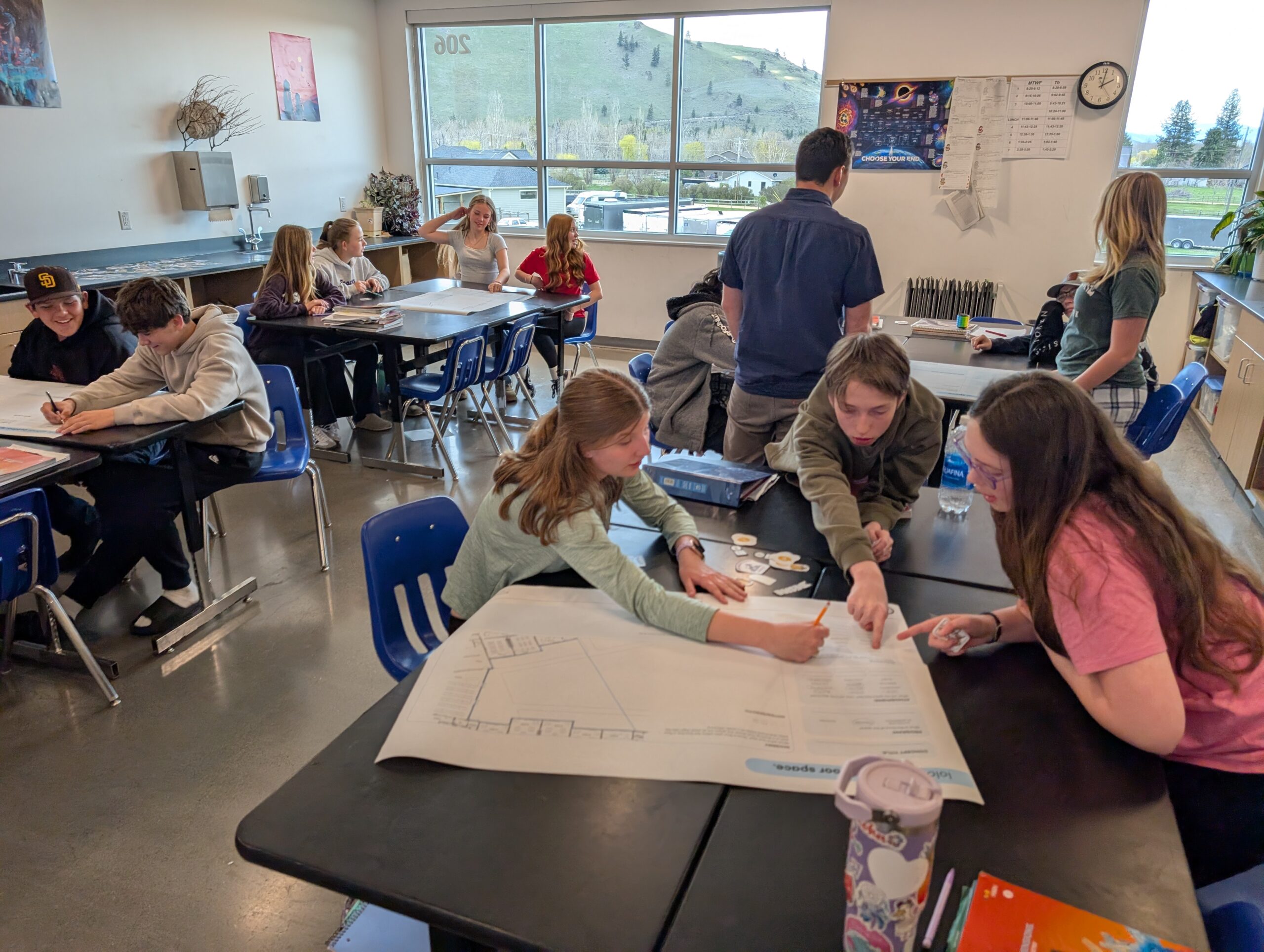
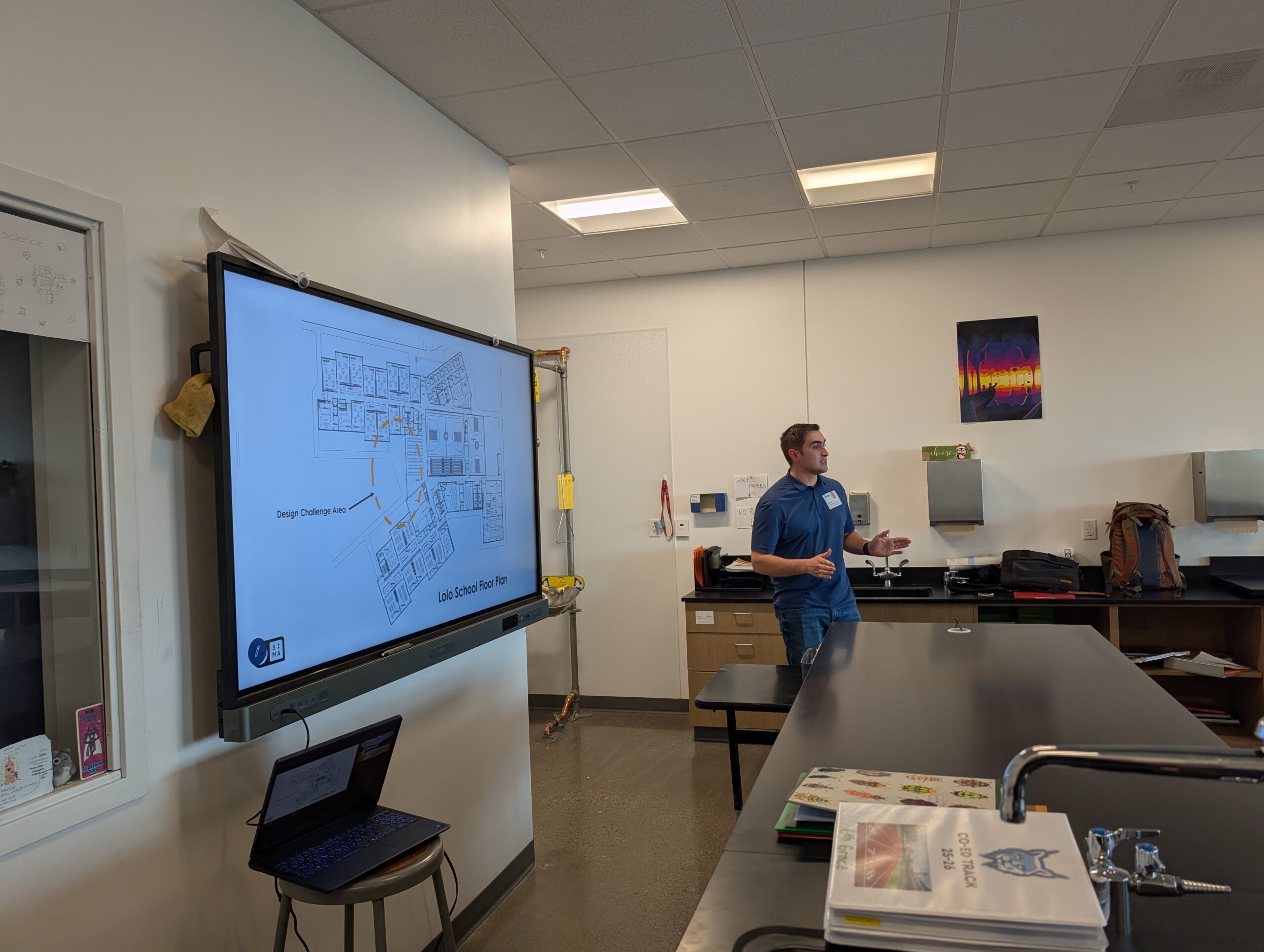
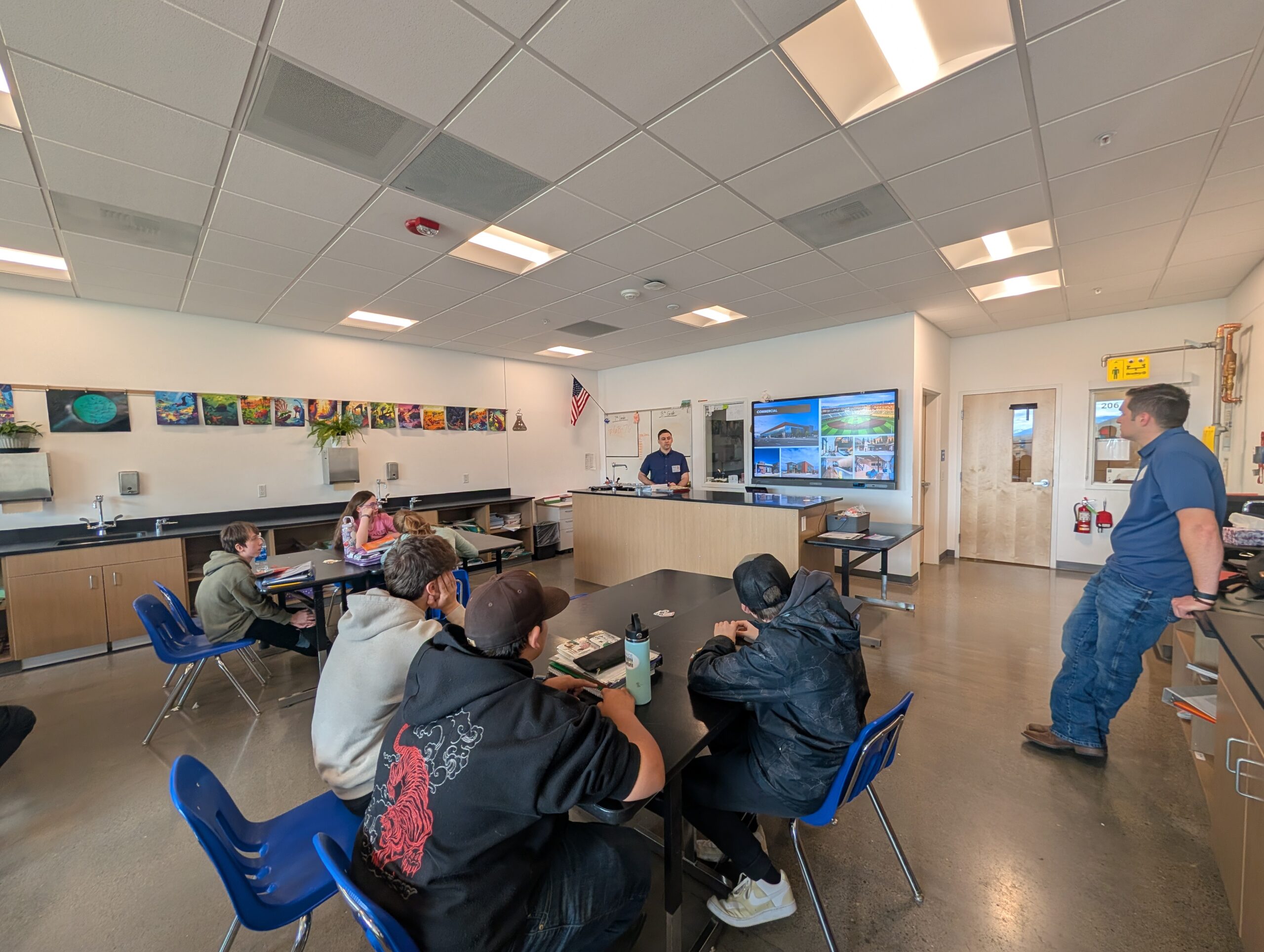
A&E + SMA Missoula had three designers go to Lolo school and took over the 8th grade science class for three periods to give a presentation and conduct a workshop with the students. We also have book bundles that were dropped off to Hellgate Highschool and Arlee K-5.
– Trevor Anderson, Missoula
We led class workshops with 8th-12th graders. Each class was broken up into ‘teams’ where we played a game, structured through powerpoint, where they could earn points based on correct answers. There were three categories; “What is an Architect?”, “Becoming an Architect”, and “A Day in the Life.” Each question had a follow-up explaining the answer and becoming an opportunity for a teaching moment to explain the answer and why. Students were highly engaged as it quickly became conversational – we had a great time!
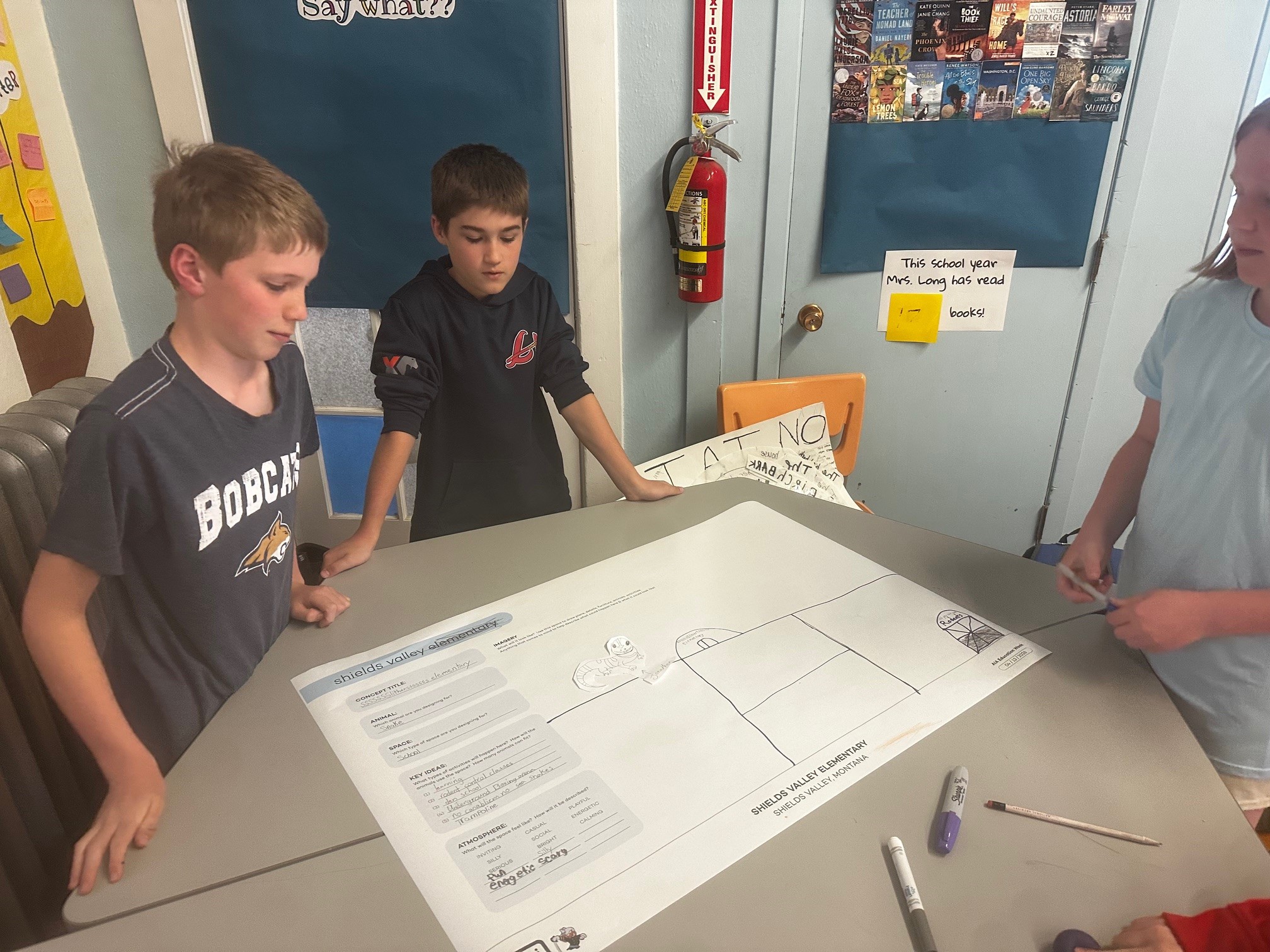
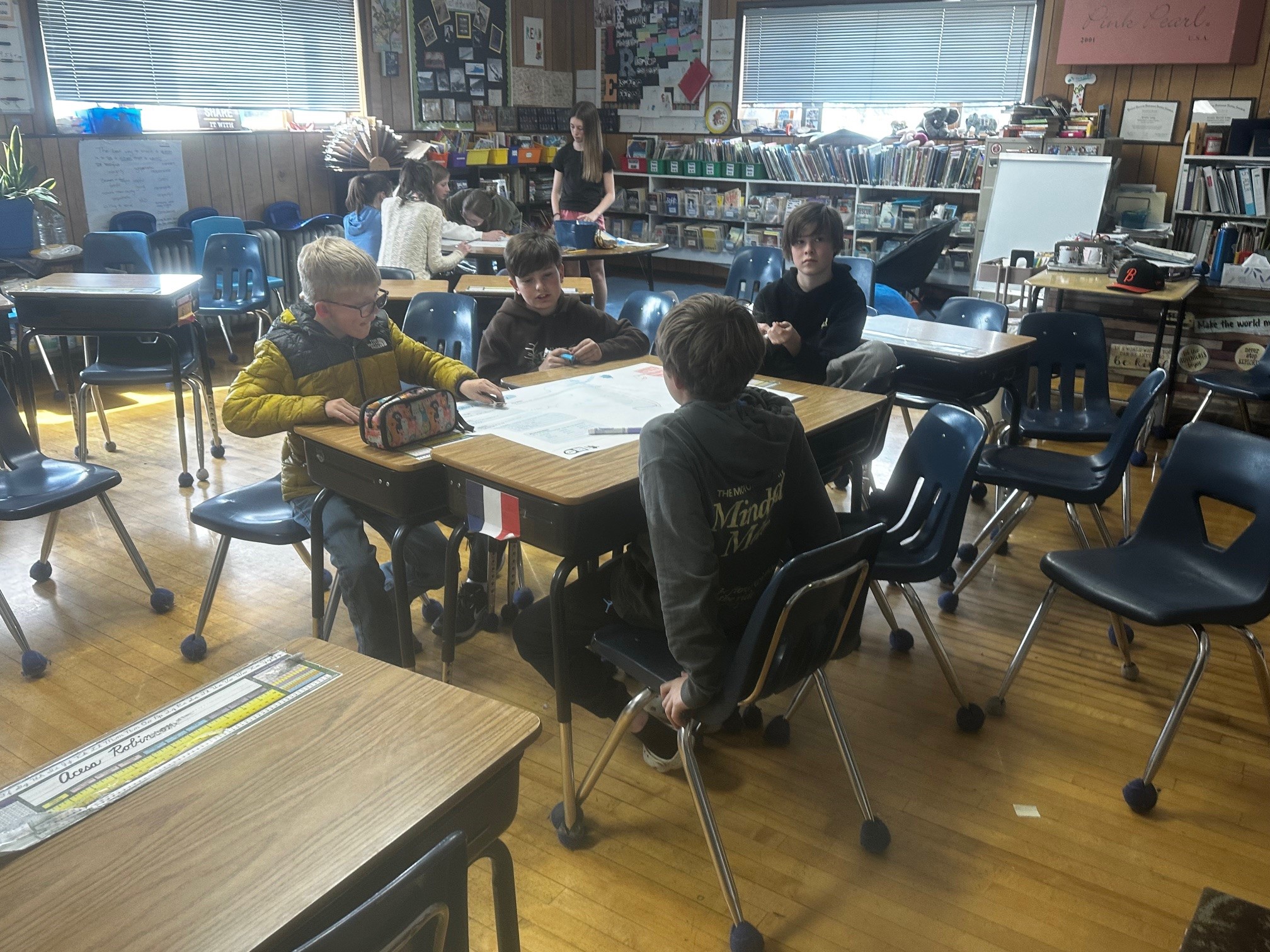
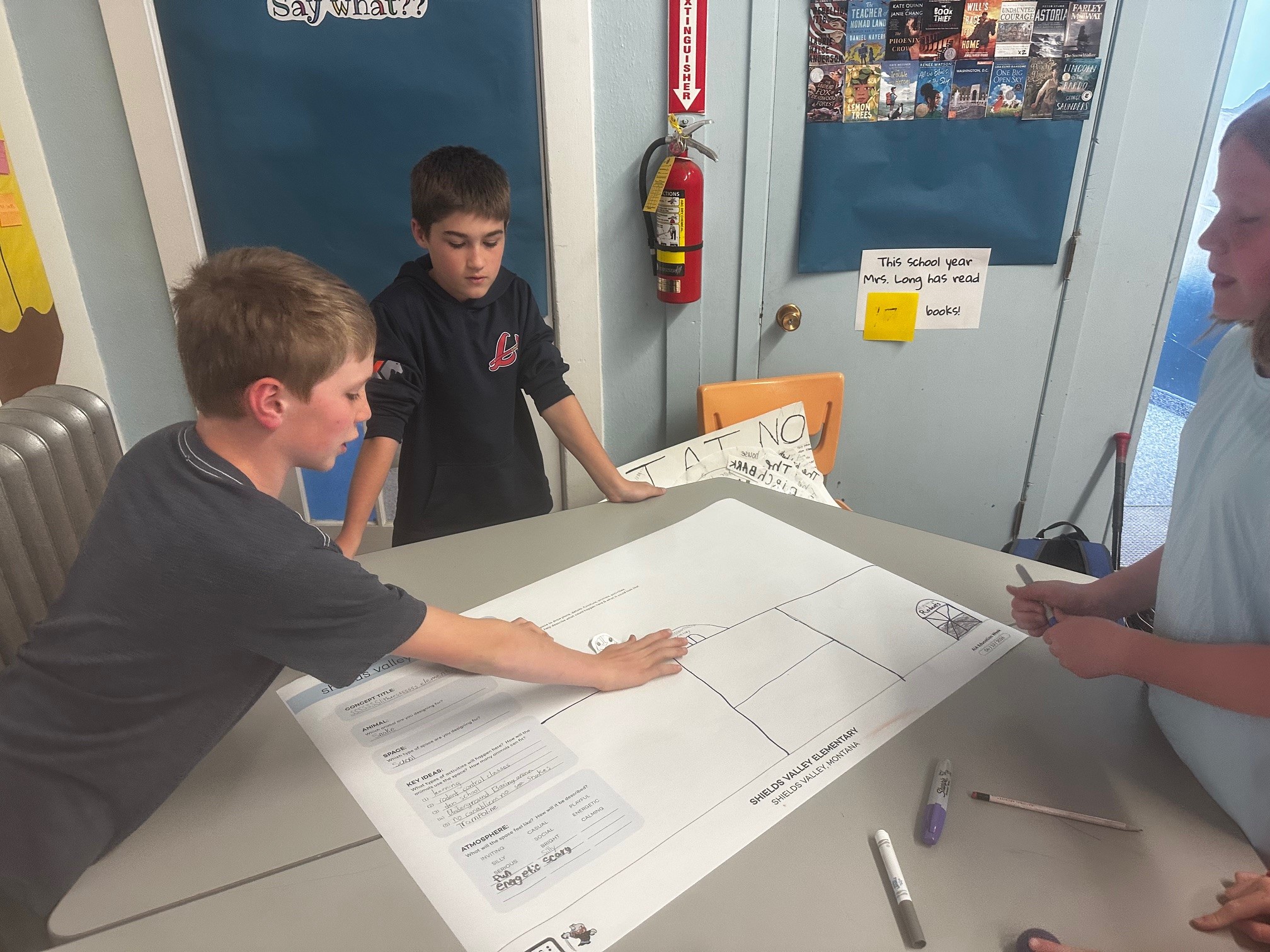
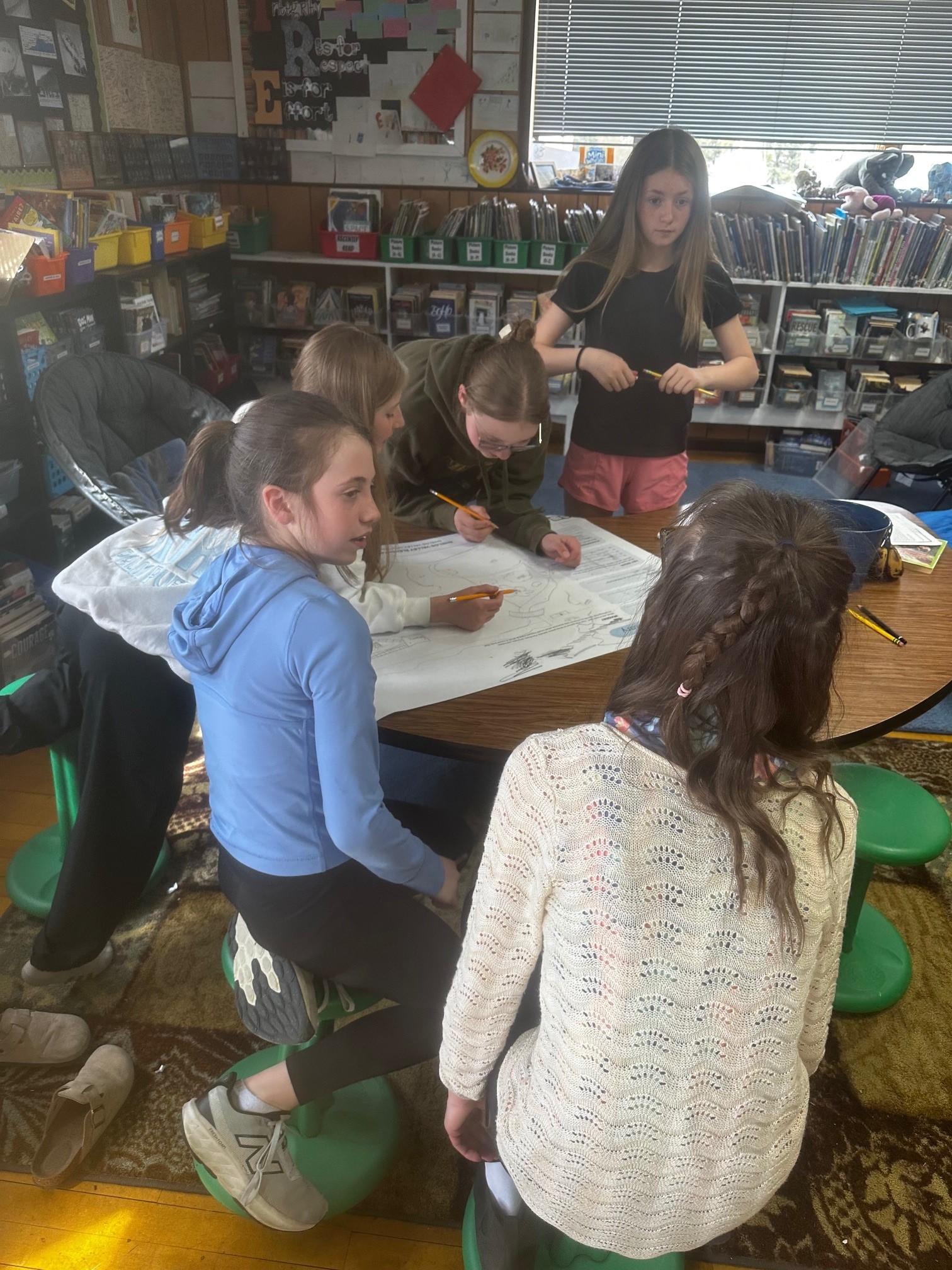
For their 5th and 6th graders, we structured a little differently. After giving a brief overview of who we were and what architects do, we had students break into groups of four for a design exercise. We used the ‘AIA dice’ where one die has different animals (dog, snake, monkey, etc.) and the other has types of locations (theme park, restaurant, library, etc.). We had each group of four roll the dice and then create a design. They had an absolute blast and we were wildly impressed with their creativity.
– Mary Demro, Bozeman
Last week 45 Architecture gave a presentation about the profession and led an activity to design pavilions for the neighboring Lewis and Clark Park at the Belgrade Community Library’s Afterschool Club for grades K-6. We also dropped off a bundle of books. They loved the selection, and a couple were already in their collection.